 Sample · live data soon
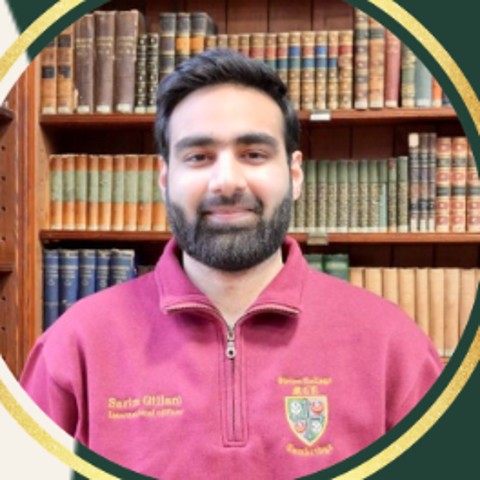
Your tree's steward
Planted and tended by local stewards
Community stewards on the Ravi riverbed plant, water, and guard these trees, paid local work that keeps survival high.
 canopy
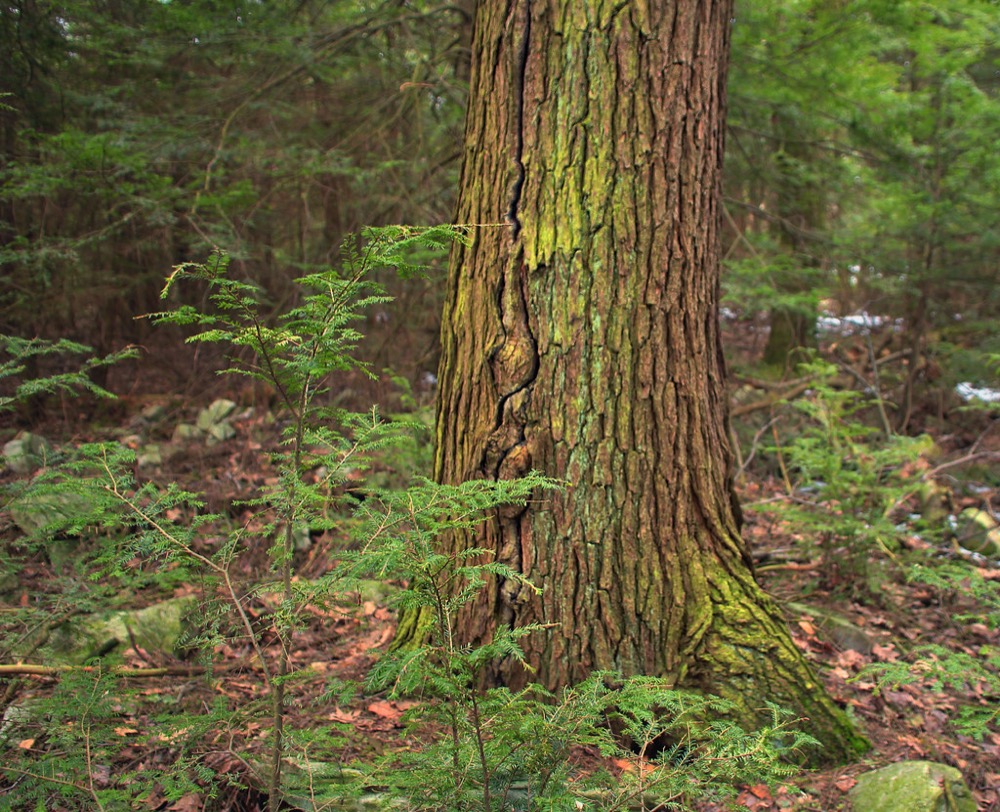
One representative tree, standing for the 8 trees your gift planted.
 Sample · live photo soon
The approved photos of your tree appear here, newest first, with the date and who took it.
Field record
SAMPLE
Not planted yet.
Your trees go into the next planting. Once the field team registers them, their photo, position and measured height appear here.
0%
Carbon drawn down
of CO₂ absorbed by your 8 trees, estimated from species and age.
of the ≈ 1.4 t these trees will hold at maturity.
Estimated from kikar growth curves and age, one tree standing for your 8.
The people and the life around your tree
Sample · live data soonYour tree's steward
Community stewards on the Ravi riverbed plant, water, and guard these trees, paid local work that keeps survival high.
Life it shelters
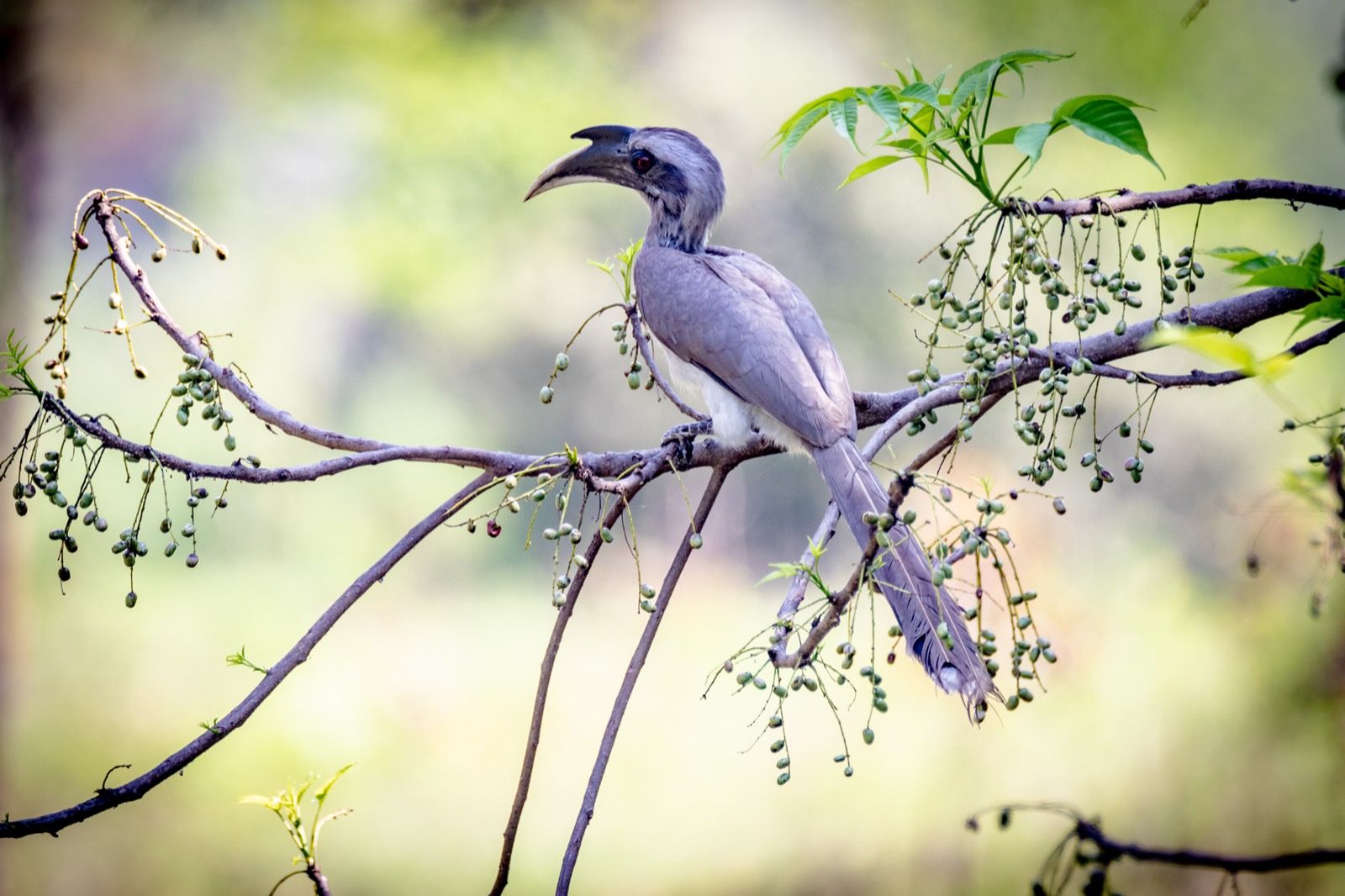
Native riverbed groves bring back the life the bare banks lost: nesting birds, pollinators, and the small mammals of the Punjab riverine belt.
The species
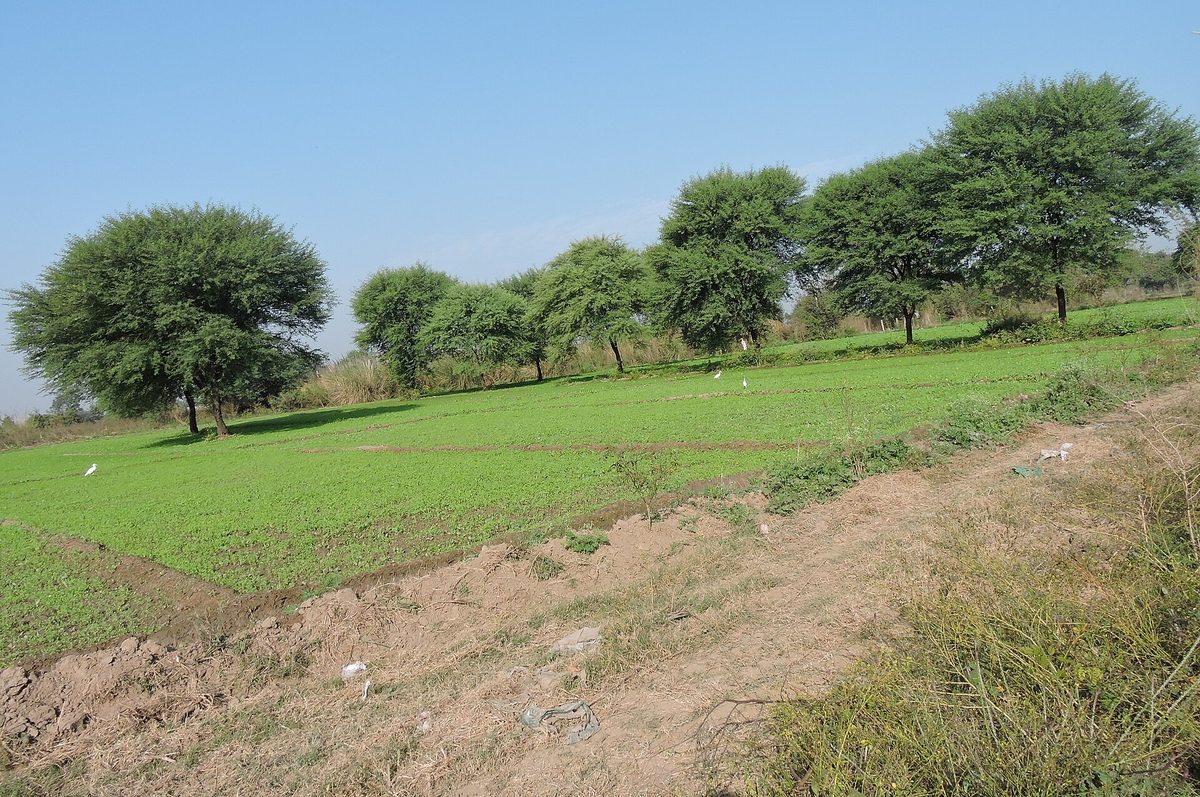
A thorny, drought-hardy acacia native to the Indus plains. It fixes nitrogen into poor riverbed soil, feeds pollinators with its golden blossom, and shelters ground-nesting birds.
Details
Growth and carbon figures are estimates from species and time since planting. Field photographs and measured heights appear as the monitoring team’s visits are approved.